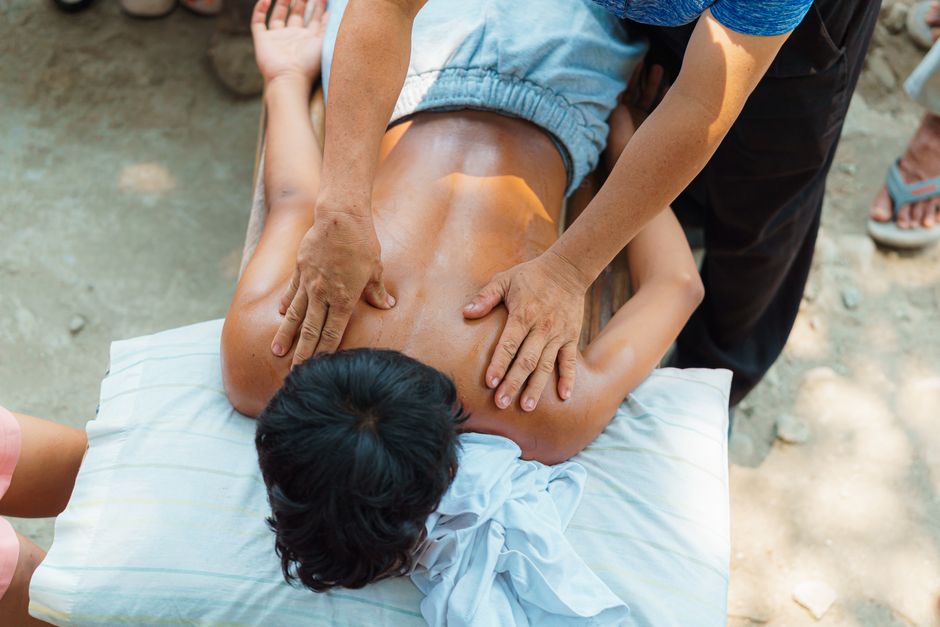
The History and Healing Practices of Filipino Hilot in the US
By Editorial Team · October 6, 2026
Introduction to Hilot
Filipino hilot is a traditional form of massage that has been practiced for centuries in the Philippines. Rooted in ancient healing practices, hilot is often associated with various therapeutic benefits. The word "hilot" translates to "to massage" or "to knead" in Tagalog, and it encompasses a holistic approach to health that combines physical manipulation, herbal remedies, and spiritual elements. As Filipino communities have spread across the globe, so too has the practice of hilot, particularly in the United States, where it has gained recognition for its unique blend of techniques and cultural significance.
Historical Context
The origins of hilot can be traced back to pre-colonial times in the Philippines. Indigenous healers known as "babaylan" or "albularyo" played a crucial role in the community, using natural remedies and traditional massage techniques to treat various ailments. These practices were deeply intertwined with the spiritual beliefs of the time, as healing was seen as both a physical and spiritual endeavor. With the arrival of Spanish colonizers in the 16th century, many indigenous practices were suppressed, but hilot persisted, evolving over time while maintaining its core principles.
In the early 20th century, as Filipinos began to migrate to the United States, they brought their cultural traditions with them, including hilot. The practice remained largely within Filipino communities until recent years, when people from diverse backgrounds began to seek out alternative therapies, leading to a resurgence of interest in hilot as a viable form of massage therapy.
Techniques and Principles
Hilots emphasize the use of natural elements, including oils derived from local plants and herbs, which are believed to enhance the healing process. The practice often begins with a consultation where the healer assesses the individual's physical and emotional state. This holistic approach considers the interplay between mind, body, and spirit, making hilot distinct from other forms of massage.
The techniques used in hilot can include kneading, stretching, and gentle pressure on specific points of the body. Practitioners may also incorporate breathing exercises and meditation to promote relaxation and healing. One of the key principles of hilot is to restore balance within the body, alleviating pain and discomfort while encouraging overall well-being.
Hilot in the United States
As Filipino communities have grown in the United States, so has the visibility of hilot. Many practitioners have opened wellness centers where they offer hilot alongside other massage therapies. These centers often serve as cultural hubs, providing education about Filipino traditions and the benefits of hilot. In recent years, the popularity of holistic and alternative health practices has further fueled interest in hilot, attracting a diverse clientele.
The integration of hilot into the wellness landscape has also led to collaborations with licensed massage therapists who incorporate elements of hilot into their practices. This blending of techniques allows for a broader understanding of bodywork and showcases the adaptability of hilot in modern therapeutic settings.
The Future of Hilot
The future of hilot in the United States appears promising as more people seek out traditional healing methods. Continued education and awareness efforts are essential to preserve the cultural significance of hilot while also adapting its practices to meet contemporary health needs. Organizations and practitioners are working to ensure that the teachings of hilot are passed down through generations, maintaining the integrity of the practice while also embracing innovation.
As holistic health becomes increasingly popular, hilot stands out as a culturally rich and effective form of therapy that is gaining recognition beyond Filipino communities. Efforts to promote hilot through workshops, classes, and community events are helping to spread knowledge about its history and benefits.
In conclusion, hilot represents a deep connection to Filipino culture and history, embodying a unique approach to healing that resonates with many. As it continues to grow in popularity in the United States, hilot not only serves as a form of massage therapy but also as a bridge connecting individuals to the rich traditions and practices of the Filipino people.
Related articles
Best Anti-Aging Cream Ingredients That Work
Explore effective ingredients in anti-aging creams and their benefits for skin health and rejuvenation.
Exploring Roles and Opportunities in Assisted Living Jobs
Learn about various roles and opportunities in assisted living jobs, including responsibilities and qualifications for a fulfilling career.

Understanding Accident Lawyer Consultations in the US
Explore the importance and process of accident lawyer consultations in the US, and how they can aid in personal injury claims.