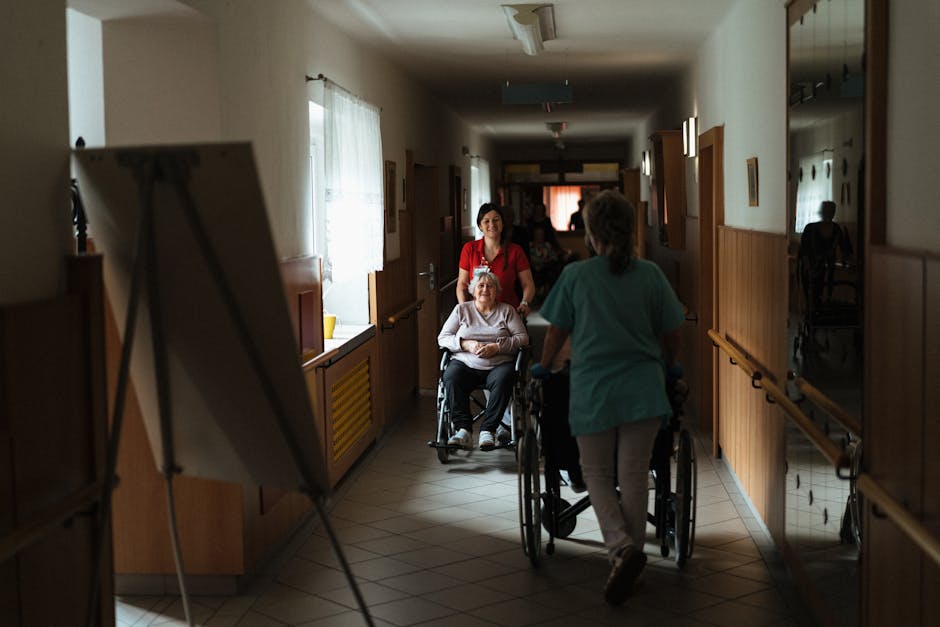
Exploring Roles and Opportunities in Assisted Living Jobs
By Editorial Team · October 5, 2026
Introduction
Assisted living facilities provide support to individuals who need help with daily activities while promoting independence. The demand for skilled professionals in this sector has grown significantly, leading to various job opportunities. This article explores the different roles available in assisted living, their responsibilities, required qualifications, and potential career paths.
Roles in Assisted Living
Assisted living facilities employ a wide range of professionals, each playing a critical role in the care and support of residents. Common positions include:
-
Caregiver/Personal Care Aide: These individuals assist residents with daily activities such as bathing, dressing, meal preparation, and mobility. They provide companionship and ensure a safe living environment.
-
Nursing Staff: Registered nurses (RNs) and licensed practical nurses (LPNs) are essential in assisted living. They oversee the medical care of residents, manage medications, and coordinate with other healthcare providers.
-
Activity Director: This role focuses on planning and implementing recreational and social activities for residents. The activity director ensures that residents remain engaged and socially active, enhancing their overall quality of life.
-
Facility Manager: The facility manager oversees the daily operations of the assisted living community. Responsibilities include staff management, budgeting, compliance with regulations, and ensuring that residents receive high-quality care.
-
Social Worker: Social workers in assisted living facilities support residents and their families in navigating the emotional and social challenges of aging. They provide counseling and connect families with community resources.
Qualifications and Skills Required
The qualifications for assisted living jobs can vary depending on the position. Caregivers often need a high school diploma and may be required to complete a training program. Some states mandate certification for personal care aides. Nursing staff must hold the appropriate nursing licenses and complete a nursing program.
In addition to formal education, certain skills are highly valued in assisted living roles:
- Communication Skills: Effective communication is crucial for interacting with residents, families, and team members. Clear communication ensures that residents' needs are understood and met.
- Empathy and Compassion: Working with elderly individuals often requires a high level of empathy and compassion. Understanding the challenges faced by residents fosters a supportive atmosphere.
- Problem-Solving Skills: Staff must be able to think critically and address issues that arise in day-to-day operations or resident care. Quick decision-making can significantly impact the well-being of residents.
- Teamwork: Assisted living facilities rely on a collaborative approach. Team members must work together to provide comprehensive care and support to residents.
Career Advancement Opportunities
The assisted living sector offers various opportunities for career advancement. Entry-level positions like caregiver or activity assistant can lead to more specialized roles. For instance, caregivers may pursue further education to become nursing staff or activity directors.
Continuing education and professional development are essential for career growth. Many facilities offer training programs and workshops to help employees enhance their skills. Additionally, obtaining certifications, such as those offered by the National Association for Home Care & Hospice (NAHC) or the National Council of State Boards of Nursing (NCSBN), can improve job prospects and lead to higher positions within the organization.
Job Market and Demand
The job market for assisted living positions is favorable, driven by an aging population and a growing preference for in-home and assisted living care. According to the Bureau of Labor Statistics, the employment outlook for personal care aides and home health aides is projected to grow significantly over the next decade.
As the demand for assisted living services rises, facilities are actively recruiting qualified candidates. Job seekers may find opportunities in various settings, including private assisted living communities, nursing homes, and home health agencies. Many employers offer competitive wages, benefits, and flexible scheduling to attract talent.
Conclusion
A career in assisted living can be rewarding and fulfilling, providing the opportunity to make a meaningful difference in the lives of others. With a variety of roles available, individuals interested in this field can find a position that aligns with their skills and interests. As the industry continues to grow, so do the opportunities for those eager to contribute to the care of seniors and individuals with disabilities.
Related articles

Understanding Accident Lawyer Consultations in the US
Explore the importance and process of accident lawyer consultations in the US, and how they can aid in personal injury claims.

BFGoodrich Tire Deals at Sam's Club in the US
Discover current BFGoodrich tire deals available at Sam's Club in the US and learn about tire selection and maintenance.

Black Friday 2026 Deals: An Early Buyer’s Guide
Explore the best early Black Friday 2026 deals and tips for savvy shoppers looking to save big during the holiday shopping season.