Current Trends in Internet Access Across America
By Editorial Team · September 14, 2026
Overview of Internet Access in America
Internet access in America has evolved significantly over the past few years. With the increasing reliance on digital technology for both personal and professional purposes, understanding the trends in internet access is essential. This article explores the current state of internet access, examining aspects such as availability, speed, and the implications of the digital divide.
Availability of Internet Services
As of 2023, nearly 90% of Americans have access to broadband internet service. The availability of high-speed internet varies greatly depending on geographic location. Urban areas tend to have a wider range of internet service providers and faster connections, while rural areas often face challenges related to limited infrastructure. Many rural communities still rely on slower DSL or satellite connections, which can hinder access to essential online resources.
Efforts are underway to bridge this gap. Government initiatives, such as the Federal Communications Commission’s (FCC) Rural Digital Opportunity Fund, aim to provide funding to expand high-speed internet access in underserved areas. Various state and local programs also focus on improving connectivity in rural and low-income regions. These initiatives are critical for ensuring equitable access to the internet for all Americans.
Internet Speed Trends
Internet speed is another vital component of access. According to recent reports, the average download speed for residential broadband in the United States has seen significant improvements, reaching over 200 Mbps in many areas. However, these speeds are not uniformly available across the country. Areas with competitive service providers often enjoy faster speeds, while places with limited options may experience slower connections.
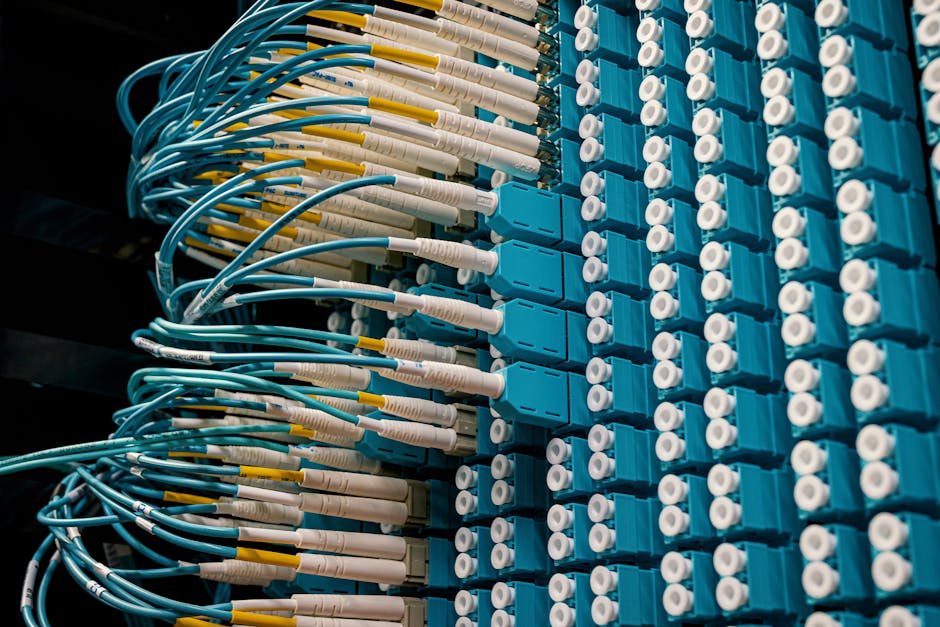
The rise of remote work and online education has increased the demand for higher speeds. Many households now require robust internet connections to support multiple devices simultaneously. As a result, internet service providers are investing in infrastructure upgrades and new technologies, such as fiber optics, to meet this growing demand.
Impact of the Digital Divide
Despite advancements in internet availability and speed, a digital divide persists in America. This divide is characterized by disparities in access based on income, education, and location. Low-income families often struggle to afford internet services, leading to a lack of access to educational resources, job opportunities, and healthcare services. In some cases, students in these households fall behind in their studies due to inadequate internet access.
Efforts to address the digital divide include community programs that provide subsidized internet access, digital literacy training, and the distribution of devices to low-income households. These initiatives are essential for fostering digital inclusion and ensuring that all Americans can participate in the digital economy.
The Role of Technology and Policy
Technological advancements play a significant role in shaping internet access trends. The rollout of 5G technology promises to enhance mobile internet access, providing faster speeds and more reliable connections in urban and suburban areas. This technology can also facilitate the expansion of broadband service to rural regions, potentially reducing the digital divide.
Policy changes at the federal and state levels are also crucial in promoting better internet access. The Biden administration has prioritized expanding broadband access as part of its infrastructure plan. By investing in high-speed internet projects and supporting competition among service providers, the government aims to create an environment where all Americans have access to affordable and reliable internet.
Future Outlook
Looking ahead, the future of internet access in America will depend on continued investment in infrastructure and technology. As the demand for connectivity grows, it is essential to focus on strategies that promote inclusivity and accessibility. Collaboration between government, private sector, and communities will be vital in addressing the challenges that remain.
In conclusion, while significant progress has been made in internet access across America, ongoing efforts are necessary to ensure that all individuals have the opportunity to connect. By addressing the digital divide and investing in infrastructure, the nation can work towards a future where high-speed internet is a standard utility for everyone.
Related articles

Business Connectivity Solutions for US Companies
Explore essential business connectivity solutions for US companies to enhance communication, collaboration, and efficiency in the workplace

Online High Schools Offering Free Laptops in the U.S.
Discover online high schools in the U.S. that provide free laptops to students, enhancing access to education and technology.