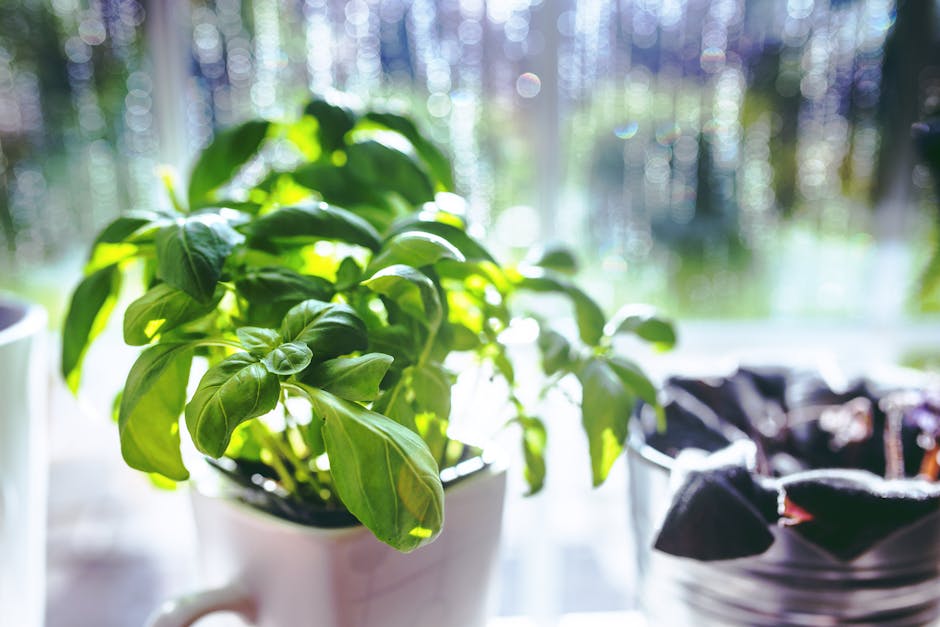
How to Keep Basil Fresh on a Windowsill
By Editorial Team · October 27, 2026
Choose a Suitable Plant and Pot
Basil can thrive on a windowsill if it has enough light, room for its roots, and steady care. Start with a plant that has green, upright stems and no yellowing leaves, dark patches, or visible pests. A crowded supermarket pot may contain many seedlings packed together. It can look full at first, but the plants compete for water and space. If the stems are tightly clustered, divide them gently into smaller groups and pot them separately.
Use a container with drainage holes and a saucer beneath it. Basil dislikes sitting in water, which can cause roots to rot. Choose a pot only modestly larger than the root ball, with a loose, well-draining potting mix. If the plant came in a decorative sleeve or a pot without holes, move it into a suitable container rather than relying on careful watering alone.
Find the Right Windowsill
Basil grows best with plenty of bright light, ideally around six hours of direct sun each day. A south- or west-facing window is often a good choice, though the strongest afternoon sun can be harsh behind glass in hot weather. If leaves look bleached or scorched, move the pot a little farther from the window. If stems grow long and thin or lean strongly toward the glass, the plant probably needs more light.
Turn the pot a quarter turn every few days so growth stays balanced. In a dim home, a small grow light can help. Keep it close enough to provide useful light but follow the manufacturer’s directions for distance and timing. Basil also prefers warmth and does poorly in cold drafts. Avoid placing it against a chilly pane in winter or beside a heater that dries the leaves and soil.
Water Without Waterlogging
Check the soil rather than watering by the calendar. Press a finger about an inch into the mix. If it feels dry at that depth, water slowly until a little runs through the drainage holes. Empty the saucer afterward. If the soil still feels damp, wait and check again later.
Basil needs consistent moisture, but constantly wet soil is a common cause of trouble. Wilting can mean the plant is thirsty, but it can also happen when waterlogged roots are unable to function. Check the soil before adding more water. Water the soil directly when practical, and try to keep the leaves dry, especially in a cool, poorly ventilated room. In warm, sunny conditions, the pot may dry quickly; in winter or low light, it may need water less often.
Prune and Harvest Regularly
Frequent harvesting helps basil grow bushier instead of tall and sparse. Once a stem has several sets of leaves, snip just above a pair of leaves. New side shoots usually grow from that point. Avoid removing more than about a third of the plant at one time, particularly if it is small or recovering from stress.
Pinch off flower buds as soon as they appear if you want to encourage leaf production. Flowering is a normal part of the plant’s life cycle, but it often changes the flavor of the leaves and signals that growth is shifting. Use clean scissors or pinch with clean fingers, and harvest from several stems rather than stripping one bare. Regularly remove yellow or damaged leaves so you can spot new problems early.
Troubleshoot Common Problems
Yellow leaves may indicate overwatering, poor drainage, or a plant that has outgrown its pot. Let the soil dry slightly between waterings, confirm that water can escape, and repot if roots are tightly packed. Pale, leggy growth usually points to insufficient light. Brown, crisp edges can result from dry soil, hot sun, or very dry indoor air, so adjust one condition at a time and watch for improvement.
Inspect the undersides of leaves and the tips of stems for small insects or fine webbing. If pests appear, isolate the plant, rinse the leaves gently, and remove badly affected growth. Keep the basil away from cold drafts and avoid crowding it among other plants, since good airflow helps leaves dry and makes problems easier to notice.
A windowsill plant will not remain perfect indefinitely. Basil is often short-lived indoors, especially when light levels fall, but steady light, careful watering, and regular pinching can extend its useful harvest. Take a few cuttings in water if the plant begins to decline, then pot them once they have formed roots. That gives you a practical way to keep fresh basil growing through the season.
Related articles

Walmart Tire Installation Options in 2026
Explore Walmart's tire installation options in 2026, including services, pricing, and availability across the United States.
Understanding Foundation Repair Costs and Expectations in the US
Learn about foundation repair costs in the US, what factors influence pricing, and what homeowners can expect during the process.

How To Compare Roof Replacement Quotes In The US
Learn how to effectively compare roof replacement quotes in the US to make informed decisions for your home improvement project.