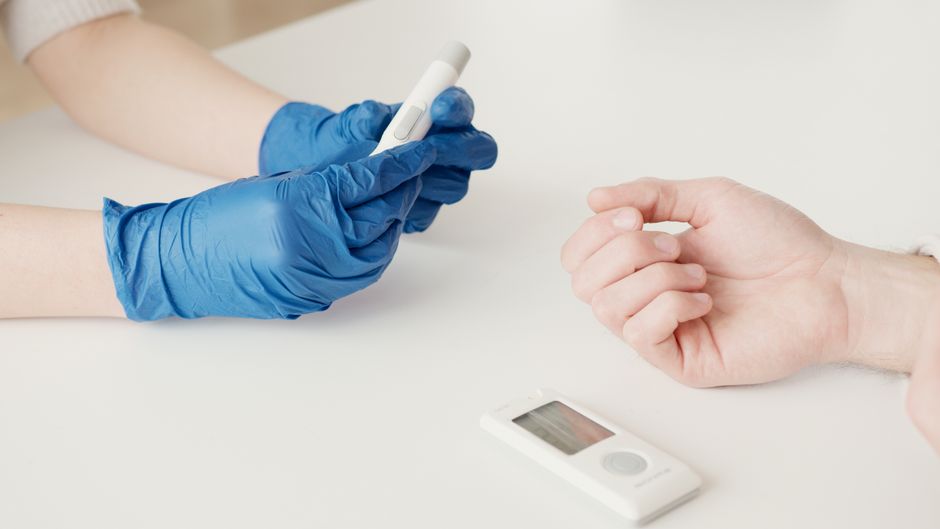
Overview of Diabetes Device Trials in the US
By Editorial Team · September 26, 2026
Introduction
Diabetes management has evolved significantly over the years, with advancements in technology leading to the development of various devices aimed at improving patient outcomes. Clinical trials play a crucial role in evaluating the effectiveness and safety of these devices. This article provides an overview of some of the best diabetes device trials taking place in the United States, highlighting their objectives and findings.
Continuous Glucose Monitoring (CGM) Trials
Continuous glucose monitoring systems have gained popularity among diabetes patients for their ability to provide real-time glucose readings. Many clinical trials are currently assessing the performance of new CGM devices. These trials often focus on accuracy, usability, and the impact of CGMs on diabetes management. For example, trials evaluating devices like the Dexcom G6 and Abbott FreeStyle Libre have shown promising results in helping patients maintain better glucose control. Participants in these studies report improved awareness of glucose levels, which can lead to better decision-making regarding diet and insulin administration.
Insulin Delivery Systems
Another significant area of research involves the development of advanced insulin delivery systems, such as insulin pumps and automated insulin delivery systems. Trials for these devices typically evaluate their effectiveness in maintaining optimal blood glucose levels while minimizing hypoglycemia incidents. Recent studies have examined hybrid closed-loop systems, which combine continuous glucose monitoring with insulin delivery algorithms. These trials have indicated that such systems can significantly reduce HbA1c levels, providing patients with greater flexibility and improved quality of life.
Artificial Pancreas Trials
The concept of an artificial pancreas, a system that automatically regulates blood glucose levels, has been a focal point of diabetes research. Ongoing trials in the US are investigating the feasibility and efficacy of these systems. Participants use a combination of CGMs and insulin pumps, managed by sophisticated algorithms that predict insulin needs based on real-time glucose readings. Early results from these trials suggest that artificial pancreas systems can effectively mimic the function of a healthy pancreas, leading to better glucose control and reducing the burden of diabetes management on patients.
Smartphone and Digital Health Integration
The integration of diabetes management tools with digital health platforms is another exciting area of research. Trials are exploring how smartphone apps and connected devices can enhance the management of diabetes. These studies often assess user engagement, data sharing capabilities, and overall satisfaction with digital health solutions. For instance, apps that allow users to track their food intake, physical activity, and insulin doses can provide valuable insights into their health. Early findings indicate that these digital tools may improve patient adherence to treatment plans and foster better communication between patients and healthcare providers.
Conclusion
Clinical trials for diabetes devices in the US are crucial for advancing diabetes care. Ongoing research focuses on continuous glucose monitoring, insulin delivery systems, artificial pancreas technology, and digital health integration. These trials not only evaluate the safety and effectiveness of new technologies but also aim to enhance the overall quality of life for individuals living with diabetes. As these innovations continue to develop, they hold the potential to transform diabetes management and improve patient outcomes significantly.
Related articles

Treatment Options for Alzheimer’s Disease in the US
Explore the various treatment options for Alzheimer’s disease available in the US, including medications and lifestyle interventions.
GLP-1 Medications Without a Prescription in the US
Explore the availability and use of GLP-1 medications without a prescription in the US, including benefits and considerations.

Flexible Dosing in Asthma Management: Insights from the AHEAD Study
Explore the findings of the AHEAD study on flexible dosing for asthma treatment in the US and its implications for patient care.